Construction Monitoring and Management
Construction is where drawings, specifications, procurement decisions, site conditions, workmanship, schedule, and cost meet. MPAAI can provide construction monitoring and management services under a scope defined for the project’s delivery method.
Maintaining a clear flow of information
Site teams need timely access to current documents, clarifications, reviewed submissions, and recorded decisions. A defined communication and approval process helps prevent teams from acting on outdated or incomplete information.
The architect’s precise authority and responsibilities depend on the contract. These should be understood by the client, consultants, contractor, and project manager before construction begins.
- Current document and revision control
- Requests for information and clarifications
- Review of relevant contractor submissions
- Site observations and recorded actions
- Coordination with the client and consultant team
Reviewing the work against the design
Monitoring provides structured opportunities to observe progress and identify questions that require design-team input. It does not replace the contractor’s responsibility for construction methods, safety, sequencing, workmanship, or contractual obligations.
Observations and responses should be documented, assigned, and tracked so that unresolved items remain visible to the responsible parties.
Closing the information loop
Changes made during construction can affect other drawings, systems, costs, and later work. Recording agreed decisions and coordinating their downstream impact helps protect the consistency of the project information.
Common questions
What is the difference between monitoring and managing construction?
The terms can describe different responsibilities depending on the contract. Monitoring generally involves observation and design-related review, while management can include broader coordination of information, schedule, cost, and project processes.
Does architectural monitoring replace the contractor’s supervision?
No. The contractor remains responsible for its construction methods, sequencing, safety, workmanship, and contractual obligations unless a contract states otherwise.
When should the construction-stage scope be agreed?
It should be defined before construction begins so that responsibilities, authority, review procedures, communication routes, deliverables, and site attendance are clear.
Relevant MPAAI projects
Selected work
Bank of the Philippine Islands branches
Commercial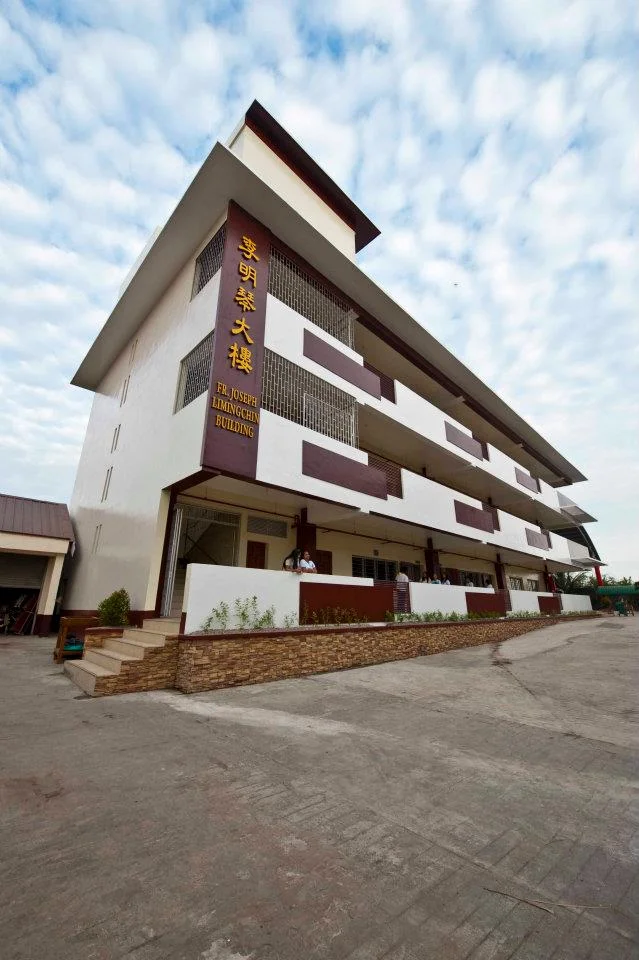
St. Joseph School Fr. Joseph Limingchin High School Building
Educational
Bulusan Volcano Natural Park Lake Development
Institutional
Development Bank of the Philippines Makati
Commercial
UE Caloocan Administration and Academic Building
Educational