Engineering Coordination and Detailed Documentation
Design intent must be translated into information that consultants, estimators, contractors, and clients can use. MPAAI develops detailed architectural and engineering documentation suited to the agreed project stage and delivery requirements.
Bringing disciplines together
Architecture, structure, mechanical systems, electrical systems, plumbing, fire protection, and specialist requirements occupy the same building. Coordination is the process of resolving how these elements relate before conflicts reach the site.
The required engineering team and level of documentation vary by project, but responsibilities, inputs, review points, and interfaces should be established early.
- Architectural plans, sections, elevations, and details
- Engineering consultant inputs
- Equipment and space requirements
- Interdisciplinary review and coordination
- Issue tracking and document control
Documents matched to their purpose
Concept drawings, design-development information, tender documents, and construction drawings serve different decisions. A clear scope identifies what each issue is intended to communicate and who will rely on it.
Consistent titles, references, revisions, and drawing relationships make information easier to review and reduce ambiguity during pricing and construction.
Supporting delivery
Documentation is not separate from design. Technical constraints can improve planning when they are considered early, while construction questions can reveal where further details or coordination are needed.
Common questions
Which engineering disciplines are included?
The disciplines depend on the building and agreed scope. Architectural projects commonly require structural, mechanical, electrical, plumbing, fire-protection, and other specialist inputs.
Are detailed drawings the same as tender documents?
They can overlap, but tender documents are assembled specifically to support contractor pricing and bidding. The complete tender package and level of detail should be defined for the project.
Why begin coordination before construction?
Early coordination allows space, routing, access, performance, and interface requirements to influence the design while changes are easier to evaluate.
Relevant MPAAI projects
Selected work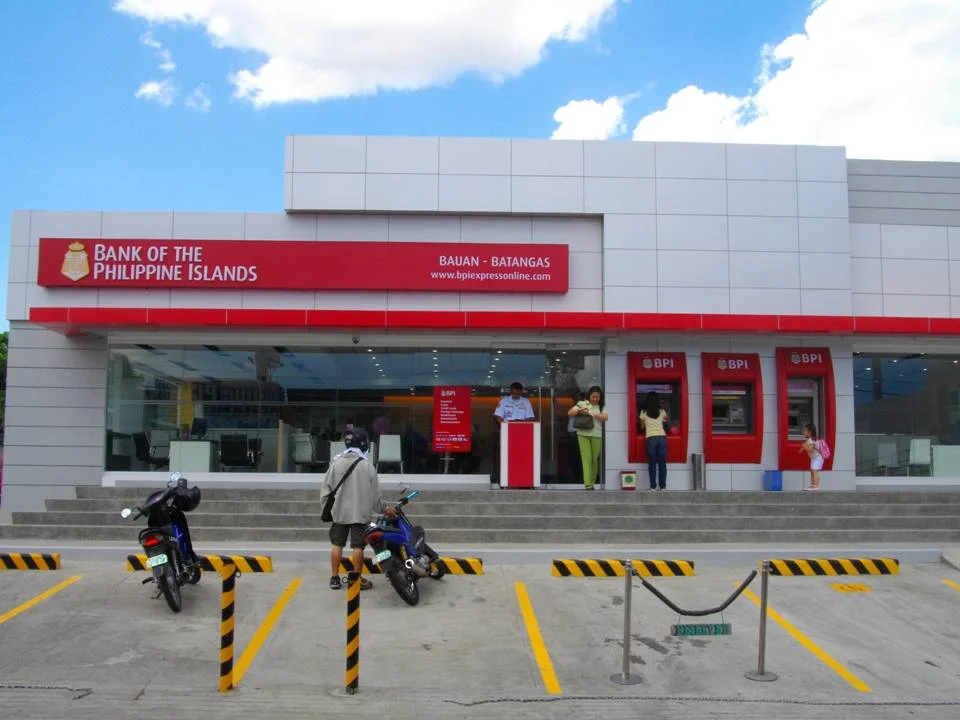
Bank of the Philippine Islands branches
Commercial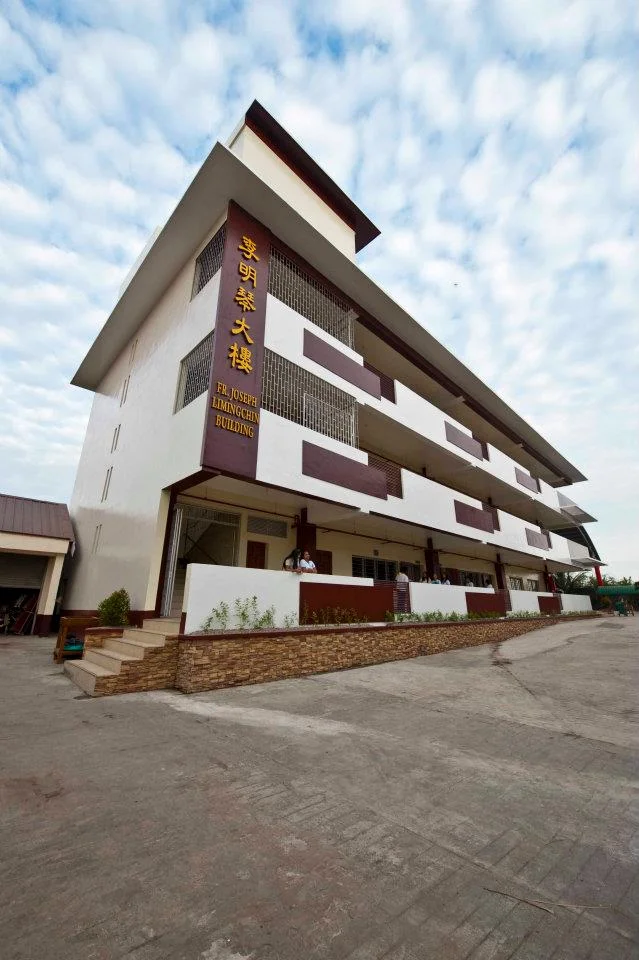
St. Joseph School Fr. Joseph Limingchin High School Building
Educational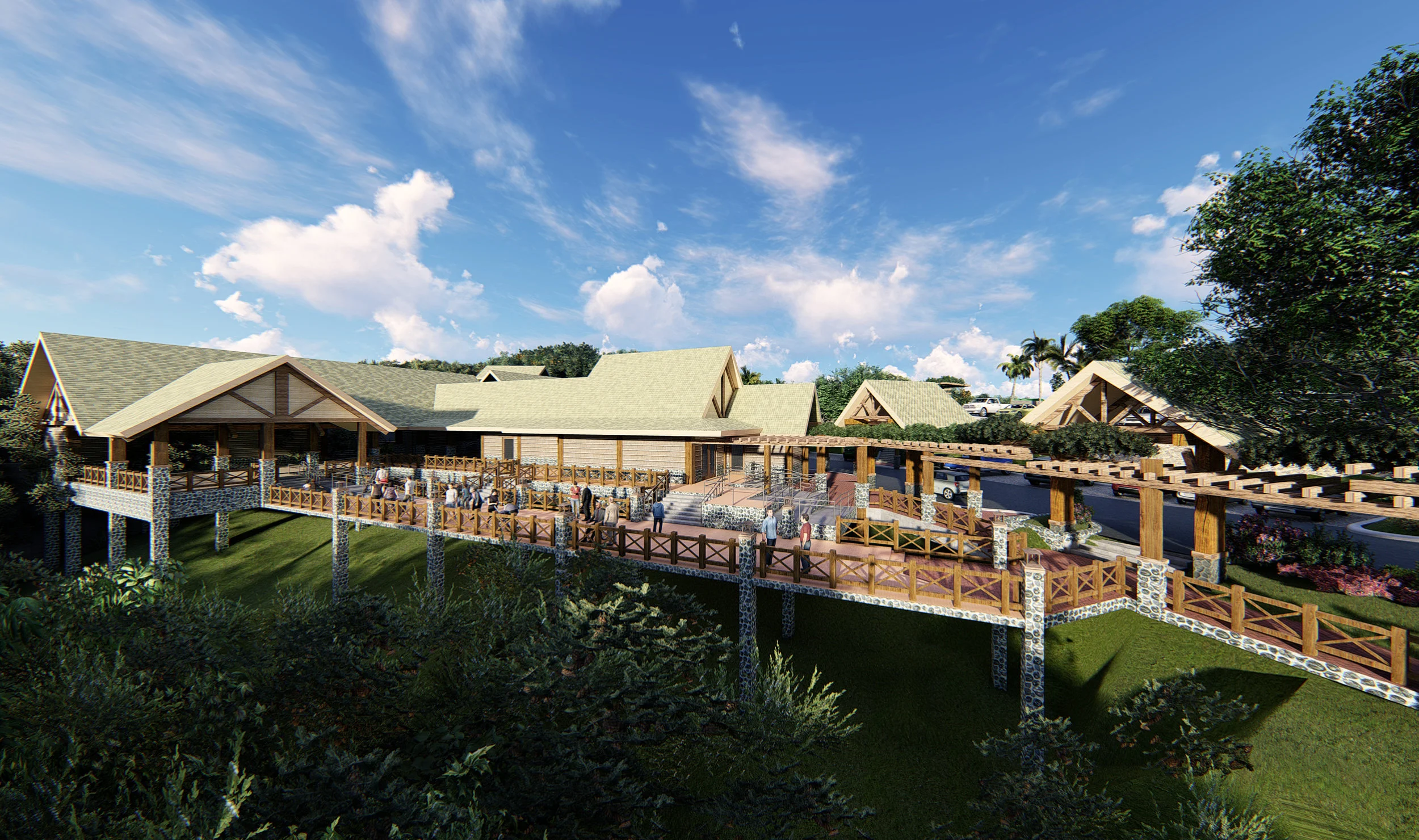
Bulusan Volcano Natural Park Lake Development
Institutional
Development Bank of the Philippines Makati
Commercial
UE Caloocan Administration and Academic Building
Educational