Why Site Evaluation Comes Before Design
A design concept can only be as reliable as the site information behind it. Early evaluation helps the client and design team understand opportunities, constraints, unknowns, and investigations that may affect the project.
Confirm what land is actually available
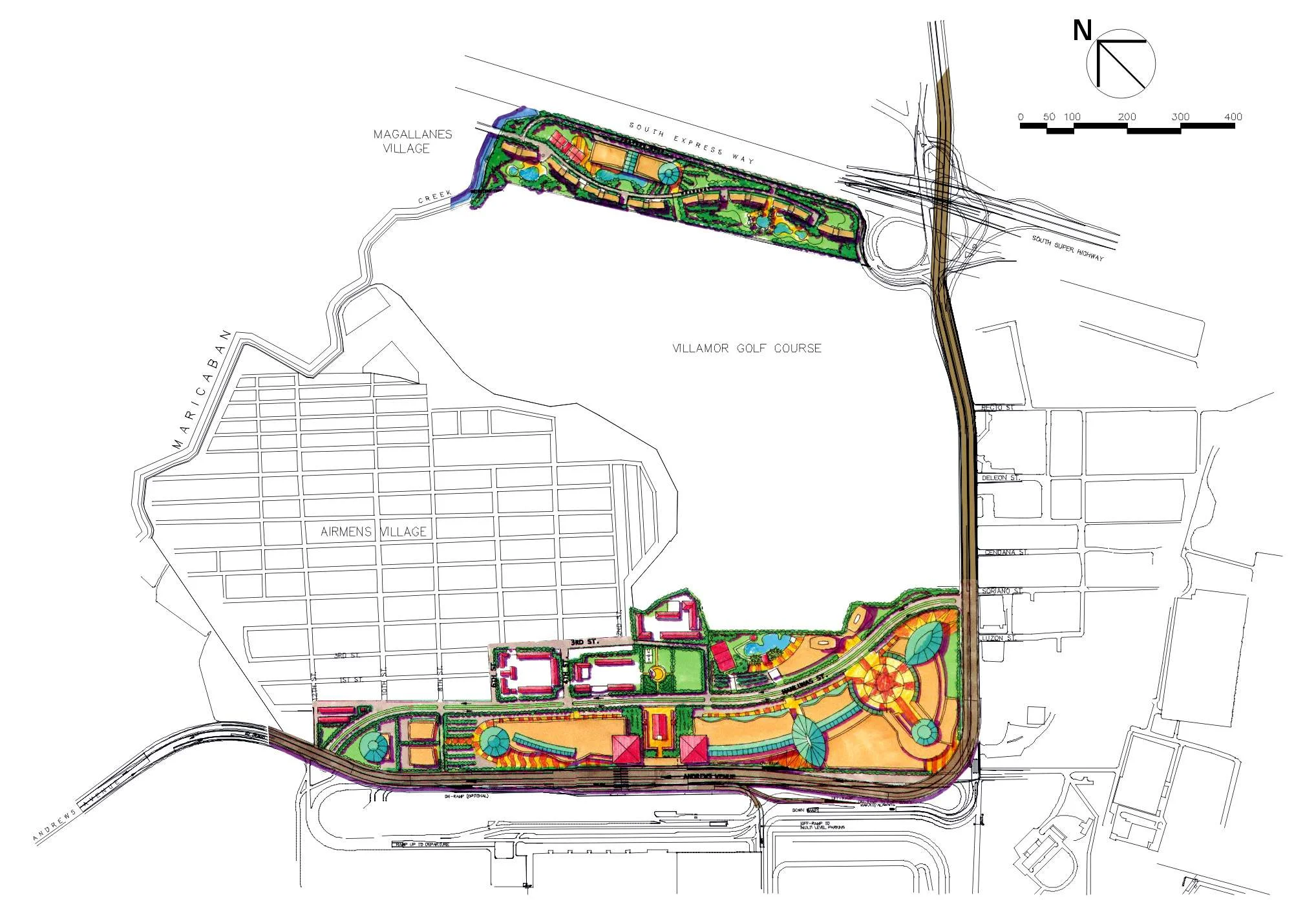
Property boundaries, easements, rights of way, setbacks, neighboring conditions, existing structures, and topography influence what can be planned. Survey and title information should be reviewed by the appropriate professionals; visual inspection alone is not enough.
For developed sites, the location and condition of existing buildings and services may need verification before they are used as design assumptions.
Understand access and movement
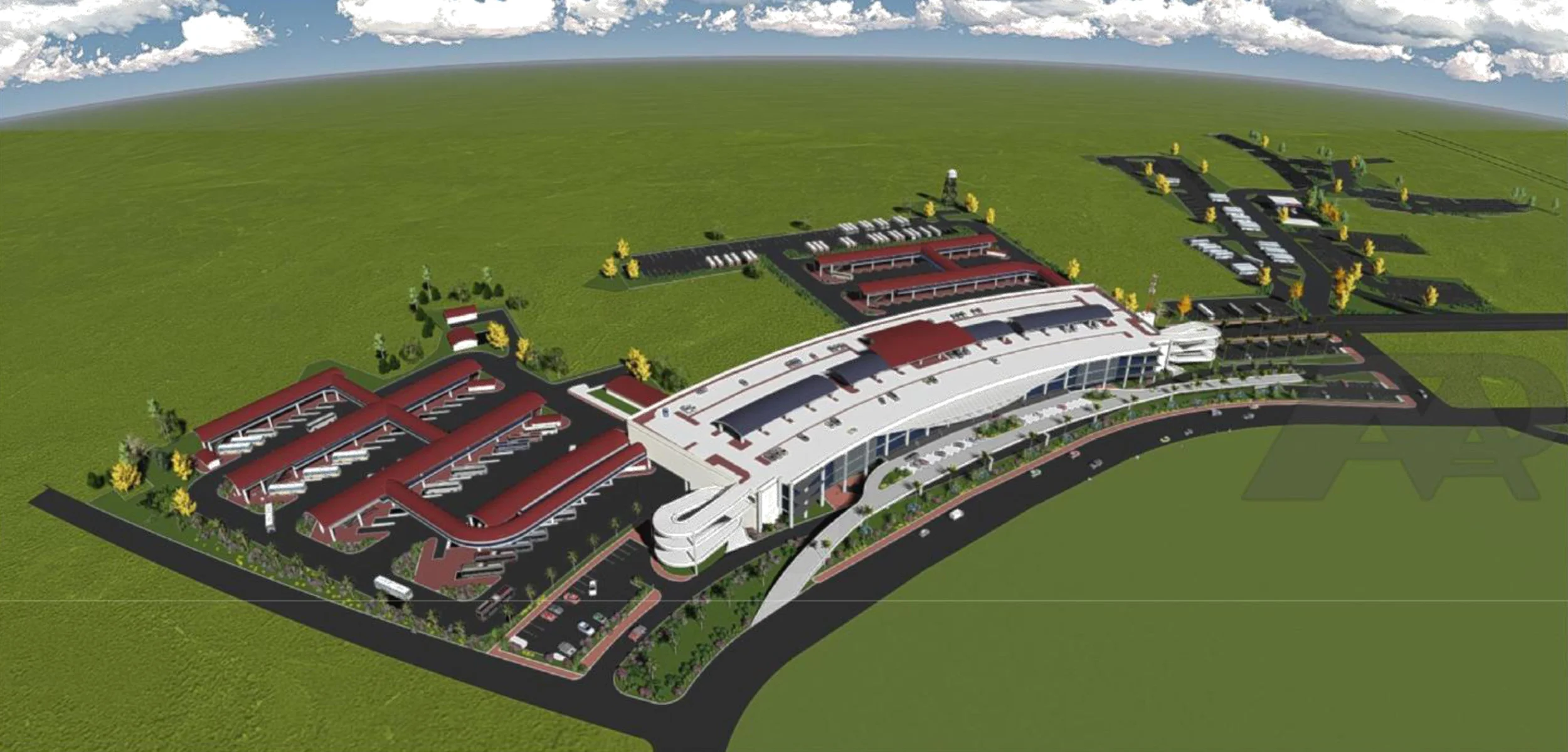
A site must accommodate the arrival and movement of people, vehicles, deliveries, emergency access, service functions, and construction activity. The importance of each movement pattern depends on the project type.
Connections beyond the property also matter. Road conditions, public transport, pedestrian routes, adjacent uses, and future development can change how a building should meet its surroundings.
Identify environmental and infrastructure questions
Orientation, sun, wind, rain, drainage, vegetation, noise, views, and surrounding buildings affect comfort and planning. Utilities and infrastructure establish what can connect to the site and where upgrades or specialist studies may be needed.
Flood, geotechnical, environmental, heritage, aviation, and other risks require qualified investigation where applicable. The architect helps coordinate site information but does not replace the relevant specialist.
Turn findings into design criteria
The output of evaluation is not simply a list of restrictions. It should explain how site conditions shape access, zoning, building placement, open space, servicing, phasing, and the questions that must be resolved next.